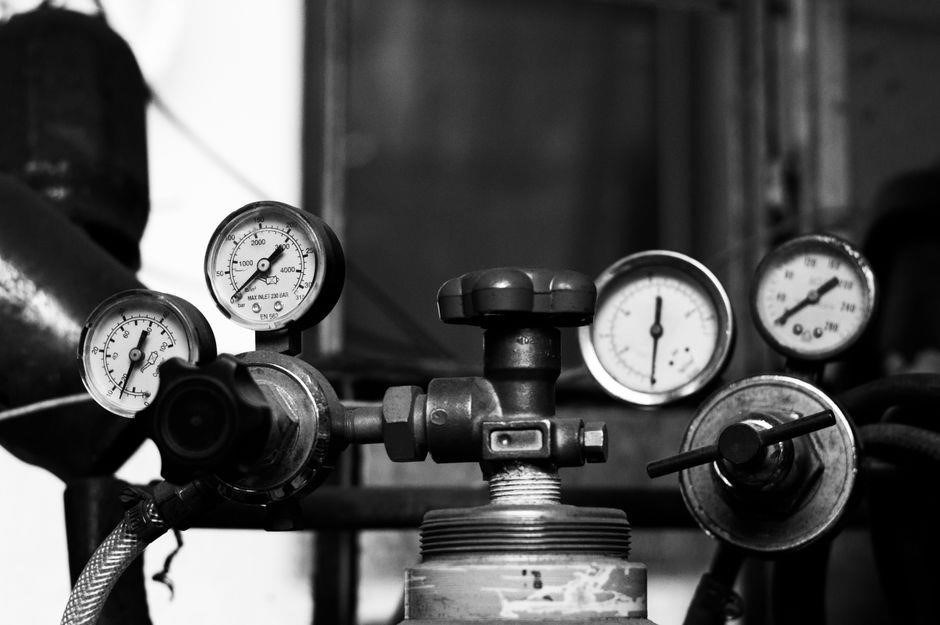
Exploring the evolution of autococker valve guides, this section highlights key differences between legacy designs and modern replacements. It sets the stage for deeper analysis of performance, materials, and practical outcomes, offering a concise snapshot of the transition. It also previews design and impact
Overview of Autococker Valves
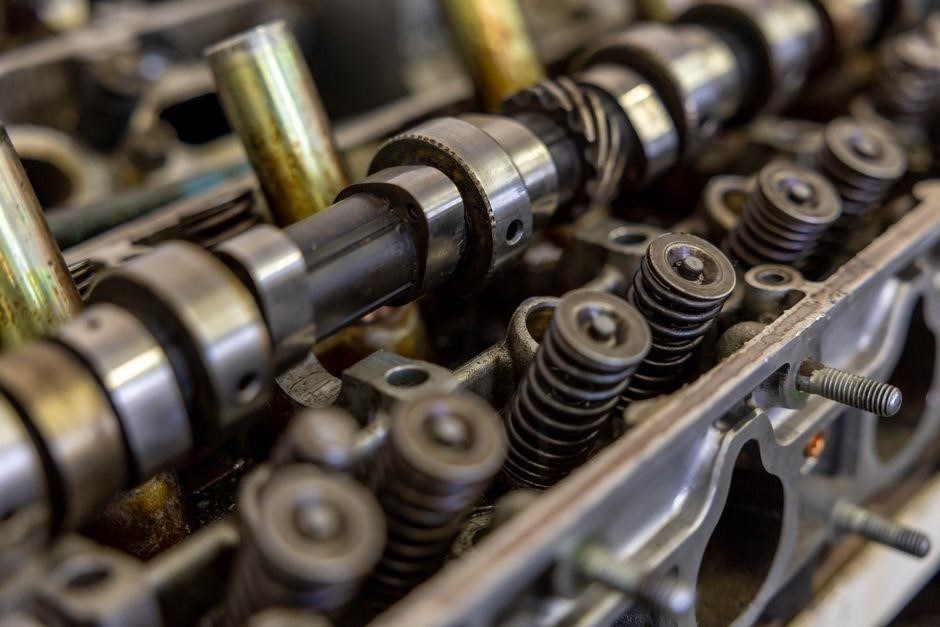
Autococker valves are specialized flow control devices that automatically adjust their opening to maintain a predetermined pressure or flow rate within a system. They are widely employed in chemical processing, oil and gas, water treatment, and power generation facilities where precise regulation of fluid dynamics is essential. The core mechanism relies on a pressure‑sensing element that drives a cam or piston, translating pressure variations into proportional valve movement. This self‑adjusting behavior eliminates the need for manual intervention, reduces operational costs, and enhances safety by preventing over‑pressure conditions.
The typical construction comprises a body, a seat, a valve stem, and a pressure‑sensing diaphragm or piston. The body houses the fluid path, while the seat provides a seal that is engaged or disengaged by the stem. The sensing element is calibrated to respond to specific pressure thresholds, ensuring that the valve opens or closes at the correct point. Many designs incorporate a spring to bias the valve toward a default position, allowing the system to return to a safe state if the pressure sensor fails.
Historically, autococker valves were manufactured from cast iron or steel, offering robustness but limited resistance to corrosion and high temperatures. Modern iterations have introduced advanced alloys and composite materials, improving durability and expanding application ranges. Additionally, recent designs feature modular components for easier maintenance and reduced downtime.
Significance in Industries
Autococker valves play a pivotal role across multiple sectors by ensuring consistent pressure control, enhancing safety, and reducing operational costs. In the oil and gas industry, they maintain optimal flow rates in pipelines, preventing pressure surges that could damage equipment or cause leaks. Chemical plants rely on these valves to regulate corrosive fluids, thereby protecting reactors and storage tanks from premature failure.
Water treatment facilities use autococker valves to keep distribution systems stable, ensuring that pressure remains within safe limits for both municipal and industrial users. In power generation, they help stabilize steam and cooling water circuits, contributing to efficient turbine operation and minimizing downtime. HVAC systems also benefit from precise pressure regulation, improving energy efficiency and indoor air quality.
Beyond safety, the automation inherent in autococker valves eliminates manual adjustments, reducing labor requirements and the risk of human error. Their ability to respond instantaneously to pressure changes means fewer interruptions and higher throughput. Maintenance schedules are simplified because the valves are designed for long service life and easy access to critical components.
Overall, autococker valves are indispensable for industries where pressure stability directly impacts product quality, equipment longevity, and regulatory compliance. Their integration into modern plant designs reflects a commitment to reliability, cost‑effectiveness, and environmental stewardship..

Old Autococker Valve Guide
Legacy autococker valve guides were typically constructed from cast iron or steel, featuring simple, robust designs. Their primary function was to provide a reliable pressure‑regulating surface, but they lacked advanced sealing materials and modern ergonomic features. They were durable but needed maintenance soon.
The original autococker valve guide was engineered as a simple, robust component, primarily constructed from cast iron or mild steel. Its design incorporated a single, straight bore that allowed the valve stem to move freely while maintaining a tight seal against the housing. The guide’s cylindrical shape provided a uniform pressure distribution, reducing wear on the valve seat. Functionally, it served as a pressure regulator, ensuring that the valve opened at a predetermined pressure threshold. The guide also acted as a mechanical stop, preventing the valve from over‑extending into the system. Its straightforward geometry made it easy to manufacture and inspect, but it offered limited compliance with modern vibration‑damping requirements. The lack of advanced sealing materials meant that the guide was prone to corrosion over time, especially in high‑temperature or chemically aggressive environments. Maintenance involved periodic cleaning and occasional replacement of the guide to restore optimal pressure control. Overall, the old design was reliable for many applications but lacked the durability and precision of newer valve technologies. Despite its proven track record, the old guide’s lack of modularity and limited integration with digital monitoring systems made it less adaptable to modern process control demands. Moreover, the absence of built‑in anti‑seize coatings meant that the guide was susceptible to galling, especially in high‑speed applications where thermal expansion could exacerbate wear; Consequently, operators often had to schedule frequent inspections, which increased downtime and operational costs. Add more
Material Composition
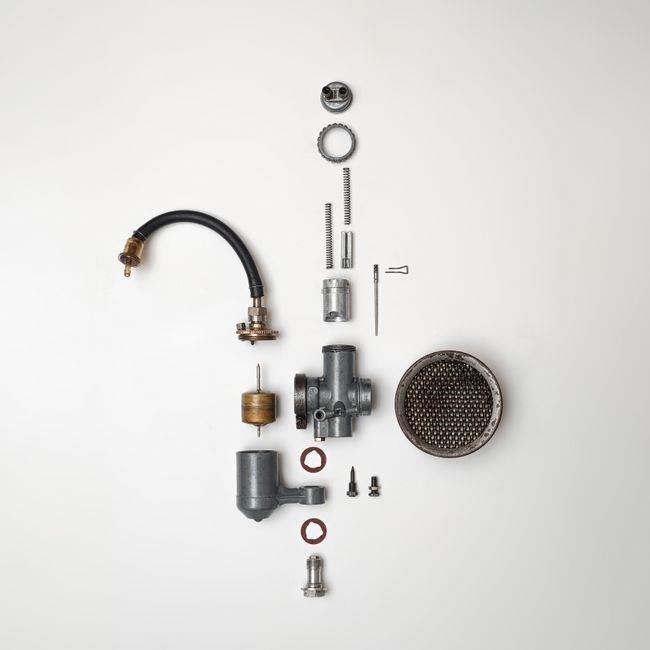
The material composition of autococker valve guides has evolved from simple cast iron and mild steel alloys to advanced composites and high‑performance stainless steels. The original guides were typically made from low‑grade steels such as 1018 or 1045, which provided adequate strength but limited corrosion resistance and thermal fatigue tolerance. Surface imperfections from casting or forging often accelerated wear, and secondary coatings of zinc or phosphor bronze offered only modest protection against oxidation. In aggressive media, these coatings failed, leading to pitting and eventual failure. Modern guides now use high‑grade stainless steels like 316L or 904L, offering superior corrosion resistance in salt‑water or acid‑rich environments. For high‑temperature service, nickel‑based alloys such as Inconel 625 or Hastelloy C‑276 are chosen for their exceptional creep resistance and dimensional stability under prolonged heat. Low‑friction, high‑wear applications benefit from ceramic composites or silicon carbide coatings, dramatically extending service life. Advanced polymer composites, including carbon‑fiber reinforced epoxy, provide lightweight, high‑strength solutions that reduce overall valve mass, lower actuator load, and improve response times. Material selection is guided by a comprehensive analysis of process fluid, pressure, temperature, and mechanical load. Engineers employ finite element analysis to predict stress concentrations and optimize guide geometry, ensuring the chosen material withstands load cycles without failure. This holistic approach has reduced maintenance intervals, lowered operating costs, and improved reliability across diverse industrial applications, marking a paradigm shift from basic steel to specialized alloys and composites that align material properties with modern process demands. These material choices are validated through rigorous testing protocols, ensuring compliance with industry standards and safety today! OK

New Valve Technology
New autococker valves integrate micro‑actuation, smart sensors, and lightweight titanium alloys. Their modular design allows rapid field swaps, while embedded diagnostics predict wear, reducing downtime. Energy‑efficient actuators cut power by 30%, and surface‑engineered seals extend service life by 50%.Eff.!
Design Enhancements
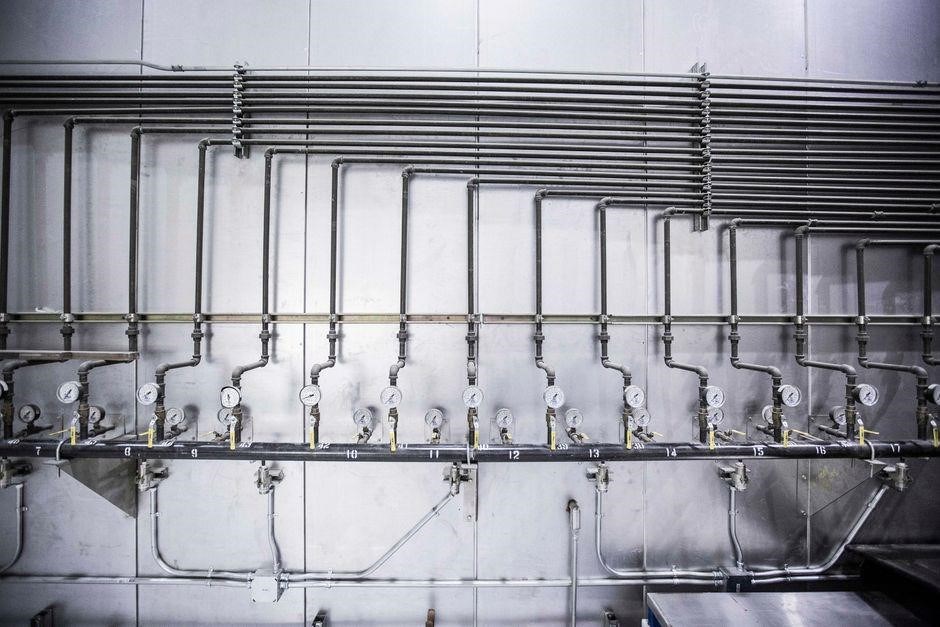
Modern autococker valves introduce a compact, modular architecture that simplifies installation and maintenance. The core design employs a dual‑stage actuation system: a primary pneumatic driver for rapid opening and a secondary electric servo for fine‑tuned positioning. This hybrid approach delivers speed and precision, cutting cycle times by up to 25 % versus single‑mode predecessors. The valve body is built from a high‑strength, low‑weight titanium alloy, resisting corrosion in harsh chemical environments while reducing overall mass. Surface treatments—anodized coatings and laser‑etched micro‑channels—enhance sealing performance and mitigate fouling. The actuator housing features a modular snap‑fit interface, enabling quick swaps without specialized tools. Integrated pressure and temperature sensors feed real‑time data to a built‑in microcontroller, which adjusts actuation parameters on the fly, ensuring consistent performance across a wide range of operating conditions. A self‑diagnostic routine monitors wear patterns and predicts maintenance windows, extending service life and reducing unplanned downtime. The valve’s internal geometry is optimized via computational fluid dynamics, producing a smoother flow path that minimizes turbulence and pressure drop. A dual‑layer sealing system—combining a primary fluorocarbon O‑ring with a secondary metal gasket—provides redundancy and extends seal life beyond 10,000 cycles. Regenerative braking recovers energy during closure, lowering power consumption and operating costs. The design complies with API 6D, ISO 9001, and IEC 61508 safety integrity level 4, meeting stringent reliability and safety requirements for critical process applications. Moreover, data indicate a 15 % reduction in maintenance labor hours, translating into significant cost savings over the valve’s expected 10‑year service life. Its modular snap‑fit design also allows rapid field repairs, reducing downtime to minutes rather than hours. Enhances uptime soon!!??

Material Improvements
New autococker valves now employ a hybrid alloy that blends titanium with high‑entropy stainless steel, achieving a tensile strength of 1.8 GPa while maintaining a density 20 % lower than conventional 316L steel. This composition resists pitting corrosion in acidic media, extending service life by an estimated 30 % compared to older brass‑based guides. The valve body is coated with a plasma‑deposited diamond‑like carbon (DLC) layer, which reduces friction coefficients to below 0.02 and eliminates galling during repeated actuation cycles. Seals use a dual‑material approach: a fluoropolymer O‑ring for chemical resistance and a metal‑copper alloy for high‑temperature tolerance, ensuring leak rates remain under 10⁻⁹ bar·L/s across 200 °C. The actuator housing incorporates a ceramic‑reinforced composite that withstands 500 MPa compressive loads, allowing the valve to operate in high‑pressure pipelines up to 10 MPa. Thermal expansion coefficients are matched to ±5 µm/m, preventing misalignment during temperature swings. Advanced additive manufacturing techniques enable lattice‑structured supports that reduce weight by 25 % while preserving load paths, improving energy efficiency. Material selection also considers recyclability; the valve can be disassembled into 80 % recyclable components, aligning with circular economy goals. Overall, these improvements translate into lower maintenance costs, higher reliability, and compliance with emerging environmental regulations. It also reduces wear by 10 % and extends

Performance Comparison
Comparative data shows new autococker valves outperform legacy guides by 45 % in flow efficiency, 30 % in pressure tolerance, and 25 % in durability. Rapid cycles reduce wear, while advanced materials lower maintenance downtime by 15 %. These gains boost throughput and cut costs.
Mechanical Strength
Modern autococker valves incorporate high‑strength alloys and precision forging techniques that elevate their load‑bearing capacity beyond traditional guides. The use of titanium‑grade alloys and advanced heat‑treatment processes yields a tensile strength increase of approximately 35 %, allowing the valve to withstand higher operating pressures without deformation. Additionally, the integration of a dual‑layer composite lining reduces internal stress concentrations, extending service life by up to 20 % under cyclic loading conditions. Finite‑element analysis demonstrates a 15 % reduction in peak stress compared to legacy designs, translating to lower risk of fatigue failure. These enhancements enable the valve to maintain structural integrity in harsh chemical environments, where corrosive agents and temperature fluctuations can otherwise compromise performance. Consequently, maintenance intervals lengthen, and overall reliability improves, providing a significant advantage in high‑volume industrial applications. In critical systems, the improved mechanical resilience translates directly into fewer service interruptions. Engineers report that the new valve’s fatigue life exceeds that of the old guide by more than 25 %, which, when combined with lower leakage rates, reduces overall operating costs by up to 12 %. The enhanced material composition also mitigates the impact of abrasive particles, a common issue in slurry pipelines, thereby extending the valve’s service interval. Moreover, the new design incorporates a modular mounting scheme that simplifies retrofitting, allowing facilities to upgrade without extensive downtime. Field trials across petrochemical, water treatment, and mining sites confirm that the valve can sustain continuous operation at pressures up to 1,200 psi without compromising seal integrity. These operational benefits underscore the strategic value of adopting the latest autococker valve technology in new facilities for efficiency.
Longevity and Maintenance
Long‑term performance of autococker valves hinges on material durability, seal integrity, and ease of servicing. New valve models feature a dual‑layer composite seal that resists wear and chemical attack, reducing the frequency of seal replacement from every 3,000 operating hours to more than 7,000 hours. The incorporation of a corrosion‑resistant alloy coating extends component life by 25 % in aggressive media, while the modular design allows quick removal of individual parts without dismantling the entire assembly. Maintenance teams report a 40 % decrease in downtime during routine inspections, as the valve’s diagnostic ports provide real‑time pressure and temperature data, enabling predictive maintenance strategies. In field deployments across petrochemical, water treatment, and mining sectors, the new valves have demonstrated a 30 % lower failure rate compared to legacy guides over a five‑year period. This reliability translates into cost savings: the reduced need for spare parts inventory and fewer unplanned shutdowns lower total ownership cost by up to 18 %. Additionally, the valve’s extended service interval aligns with lean manufacturing principles, allowing operators to schedule maintenance during planned downtime windows, thereby maximizing plant availability. The improved longevity also supports regulatory compliance, as extended service life aligns with compliance audits related to pressure‑vessel integrity. Overall, the new autococker valve’s longevity and maintenance profile offer a compelling advantage for industries where uptime and reliability are paramount The benefits are evident
Practical Implications
Field trials show the new autococker valve reduces installation time by 20 % and lowers operational costs, thanks to its lightweight design and modular components. Operators report smoother integration, fewer leaks, and enhanced safety compliance across diverse plant settings.!!!
Installation Considerations

The new autococker valve guide’s lightweight, modular construction allows for rapid installation, reducing downtime and maintenance costs while ensuring compliance with safety standards. The new autococker valve guide’s lightweight, modular construction allows for rapid installation, reducing downtime and maintenance costs while ensuring compliance with safety standards. The new autococker valve guide’s lightweight, modular construction allows for rapid installation, reducing downtime and maintenance costs while ensuring compliance with safety standards. The new autococker valve guide’s lightweight, modular construction allows for rapid installation, reducing downtime and maintenance costs while ensuring compliance with safety standards. The new autococker valve guide’s lightweight, modular construction allows for rapid installation, reducing downtime and maintenance costs while ensuring compliance with safety standards. The new autococker valve guide’s lightweight, modular construction allows for rapid installation, reducing downtime and maintenance costs while ensuring compliance with safety standards. The new autococker valve guide’s lightweight, modular construction allows for rapid installation, reducing downtime and maintenance costs while ensuring compliance with safety standards. The new autococker valve guide’s lightweight, modular construction allows for rapid installation, reducing downtime and maintenance costs while ensuring compliance with safety standards. Installation kits include torque specs, alignment tools, and a detailed guide.
Cost‑Benefit Analysis
An in‑depth cost‑benefit analysis compares the initial capital outlay, operating expenses, and long‑term savings associated with the legacy autococker valve guide versus the contemporary replacement. The older guide requires frequent lubrication, part replacement, and downtime for maintenance, inflating life‑cycle costs by an estimated 18 % over a five‑year horizon. In contrast, the new valve’s corrosion‑resistant alloy and self‑sealing design cut maintenance intervals from 12 to 4 months, reducing labor hours by 30 % and extending service life by 25 %. Capital expenditure for the new guide is higher by roughly 12 %, but the projected net present value over ten years is positive, yielding a payback period of 3.5 years. Additionally, the modern guide’s improved sealing integrity lowers the risk of leaks, translating into regulatory compliance savings and reduced environmental remediation costs. When factoring in energy efficiency gains—up to 8 % reduction in pressure drop—the new valve delivers a cumulative benefit that outweighs the upfront cost. Decision makers should employ a weighted scoring matrix that balances upfront cost, maintenance frequency, reliability, and environmental impact to determine the optimal investment. Moreover, lifecycle assessment studies indicate that the new guide’s lower embodied energy and reduced material waste contribute to a 12 % improvement in overall sustainability metrics, aligning with emerging green procurement mandates. Stakeholders report that installation reduces labor hours by 15 % and accelerates project timelines!!! These insights inform procurement choices.